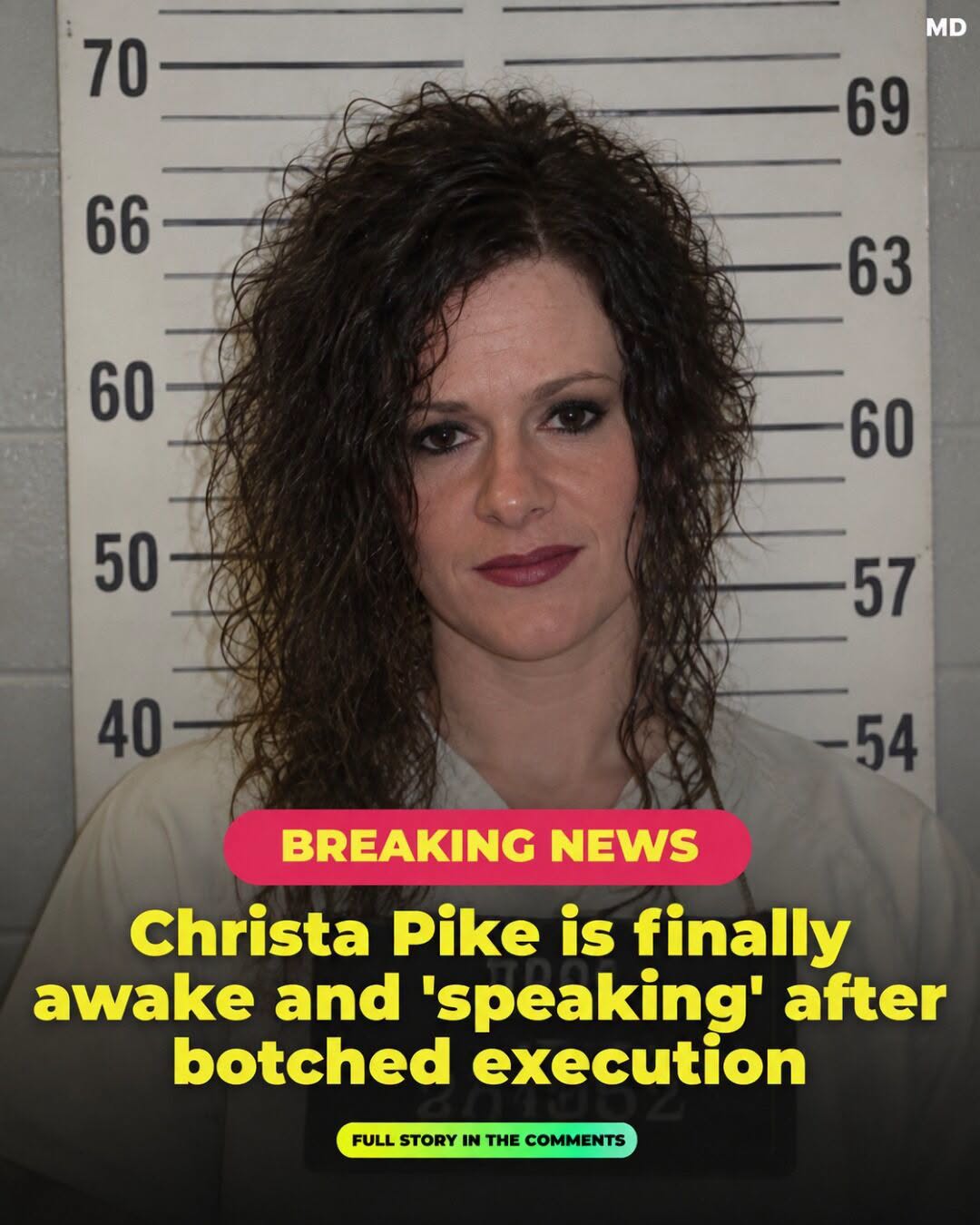
Christa Pike is awake and able to speak from a Nashville-area hospital after Tennessee’s attempt to carry out her death sentence ended without her death. The 50-year-old inmate, who has been on Tennessee’s death row for decades, was scheduled for execution on September 30 after being convicted in the 1995 killing of 19-year-old Colleen Slemmer. The procedure had already faced legal delays, including a temporary federal stay concerning claims about Pike’s history of childhood trauma. Once the execution proceeded, however, problems developed with intravenous access, an issue Pike’s defense team says it had warned state officials about beforehand. After the lethal injection drugs were administered, the procedure could not be completed as intended, and Pike was eventually taken to an outside hospital for emergency treatment.
Find Grief Support
The situation became increasingly uncertain as medical personnel worked to stabilize her. According to Pike’s attorneys, she received two complete rounds of the drugs under Tennessee’s execution protocol but survived, with the defense team saying problems with the intravenous lines may have caused medication to enter surrounding tissue instead of reaching the bloodstream properly. Witnesses reported that the execution lasted for more than an hour before officials stopped the process and transported Pike for medical care. Her lawyers later said she had regained consciousness and could communicate, but that she was suffering from serious damage to her arms and remained restrained to her hospital bed while receiving treatment. They described her survival as an unprecedented development and said her long-term prognosis remained unclear. Now, the question surrounding Pike has shifted from whether the execution would proceed to what happens next.
Locate Inmates
Pike’s attorneys are asking Tennessee Gov. Bill Lee to commute her death sentence to life imprisonment without parole, arguing that the failed execution and resulting medical complications require a new legal examination. The defense has also raised concerns about whether the procedure amounted to cruel and unusual punishment, particularly given Pike’s previous warnings about difficulties with her veins. Any future decision could involve additional court proceedings, medical evaluations and further arguments from both the prosecution and defense. Unlike an ordinary estate, mortgage or insurance dispute, this case involves a death sentence and constitutional questions that could require extensive judicial review. For now, Pike remains hospitalized as her legal team monitors her recovery and considers what options remain available.
Find Lawyers
The failed execution has left Pike facing an uncertain future, with her attorneys saying they expect a lengthy recovery. They have thanked the medical workers and first responders who treated her after the procedure, while also acknowledging people who sent messages of support. Pike’s conviction for Slemmer’s death remains in place, and the families affected by the 1995 case have their own long history of grief. What happens to Pike’s sentence will ultimately depend on Tennessee officials and the courts, rather than the medical outcome alone. For now, the most immediate development is that Pike survived the execution attempt and is conscious and communicating—a circumstance that has created an extraordinary new chapter in a case that has lasted more than three decades.
