Lately I noticed that my dog seems to wait until we all get home from school and work to eat his food.
This is wildly different from the dogs I had growing up who would gobble down their food in a matter of seconds.
Is my current dog simply waiting for us to get home, or is something else behind his eating habit?
I explored a few possible explanations, so if your dog has a similar habit, I hope these insights help you better understand their behavior!
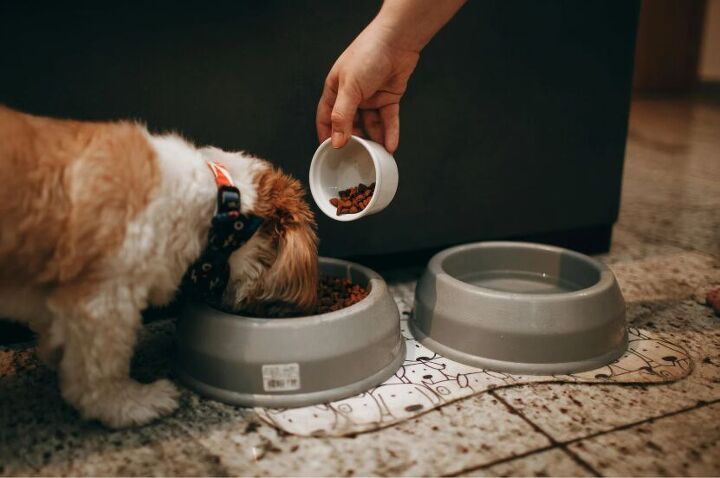
Image: Canva
Disclosure: PetGuide may receive a small affiliate commission from purchases made via links in this article but at no cost to you.
1. Your Dog Feels Safer Eating When You’re Home
Some dogs are social eaters, meaning they feel more comfortable eating when their owners are nearby.
Eating can leave dogs feeling vulnerable, so your presence may help them relax enough to enjoy their meal.
2. Your Dog Has Developed an Evening Routine
Dogs thrive on routines. If your dog regularly eats in the evening, their body may have adjusted to that schedule.
This can happen even when food is available earlier in the day or you’re home all weekend.
3. There’s No Competition for Food
In multi-dog households, the presence of another dog can encourage quicker eating. (For clarity, our older dog passed away about a month ago.)
When a dog becomes the only pet, they may feel less urgency to finish their food. They can take their time without another dog nearby.
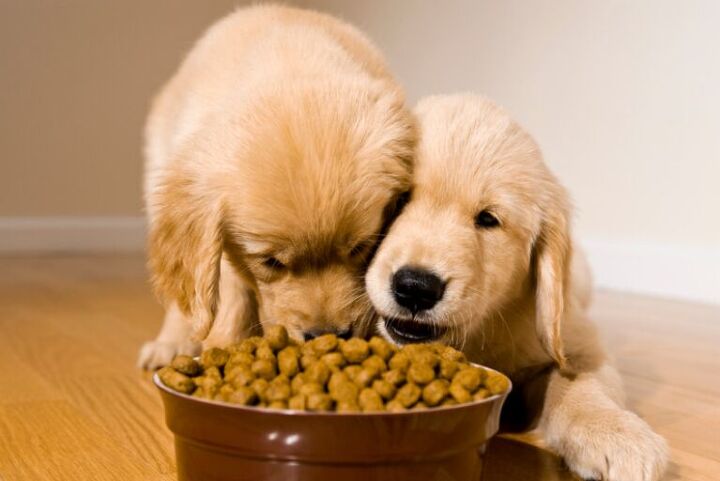
Image: Canva
4. Your Dog Is Holding Out for Something Tastier
If your dog ignores plain kibble but comes running when you add meat or another tasty topping, they may simply prefer more exciting food.
Some dogs learn that waiting occasionally results in something better appearing in their bowl.
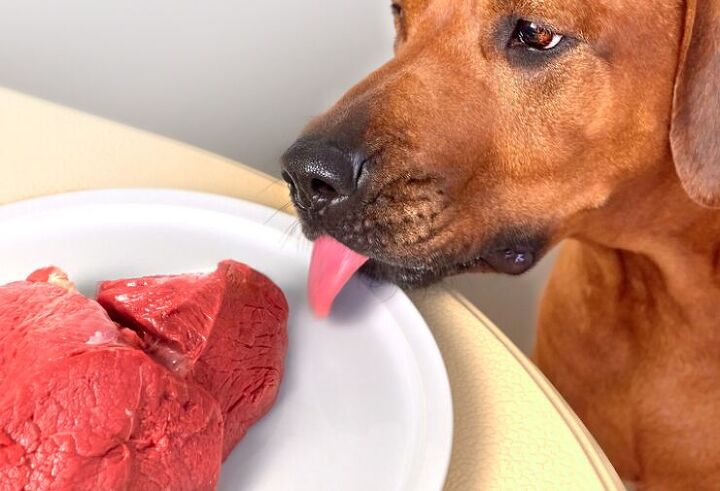
Image: Canva
 If it turns out you have a picky eater on your hands, try this bone broth kibble topper (like gravy!). It contains just 2 ingredients, contains grass-fed beef and was developed by vets.
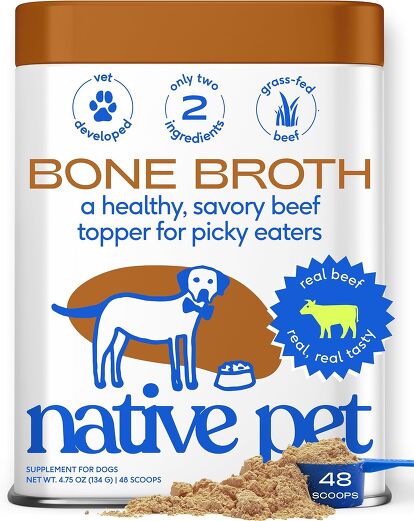
Native Pet Bone Broth for Dogs – Made with Real Beef Bone Broth
Tip:
Don’t hesitate to share your dog’s nighttime eating habit with your vet if you’re concerned that they dislike the food or have an underlying health issue.
5. Stress or Health Issues May Affect Appetite
Changes in household routines, separation-related stress, dental discomfort, or digestive problems can affect when and how much a dog eats.
A sudden change in eating habits deserves attention, particularly if accompanied by weight loss, lethargy, or other symptoms.
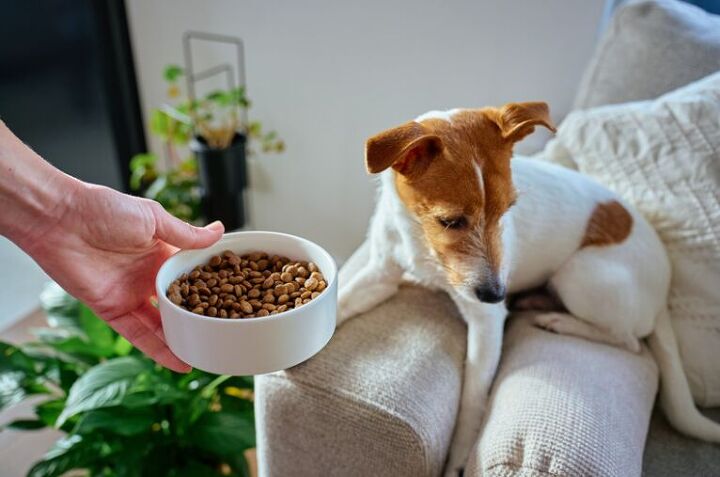
Image: Canva
Make sure your dog is eating enough food per day (and not too much!) using a designated measuring cup for kibble. This option is stainless steel, comes in a few sizes and has scale measurments to help serve the correct amount each time.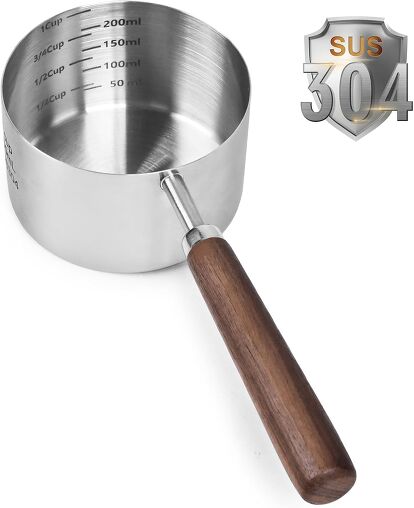
FAFAFLYER Dog-Cat Food-Scoop Measuring-Cup
Final Thoughts
If your dog has always preferred evening meals, maintains a healthy weight, and eats enough throughout the day, there’s usually little reason for concern.
However, if this is a new behavior or your dog seems unwell, consult your vet to rule out an underlying problem.
Join the PetGuide community. Get the latest pet news and product recommendations by subscribing to our newsletter here.
