The world of cinema lost one of its most extraordinary talents on January 27, 2017, when Emmanuelle Riva passed away at the age of 89. Her death marked the end of a remarkable artistic journey that spanned more than six decades and left an indelible mark on film history. Elegant, intelligent, and profoundly expressive, Riva was an actress whose performances transcended language, culture, and time. She possessed a rare ability to communicate the deepest human emotions with subtlety and grace, earning her a place among the most respected actresses of her generation.
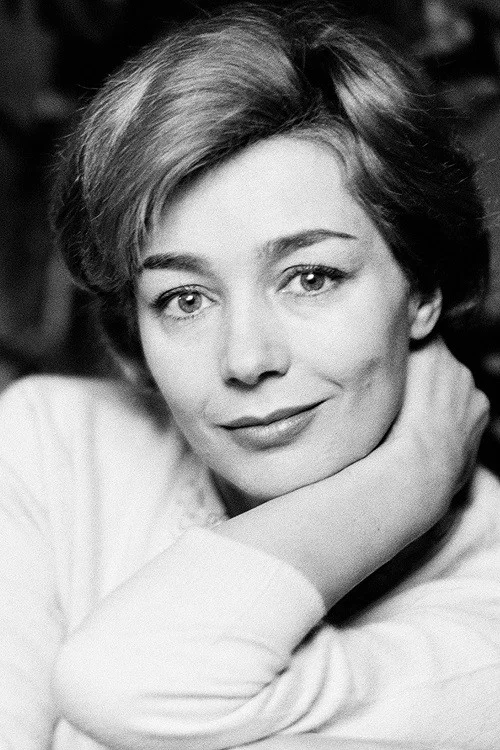
Born on February 24, 1927, in rural France, Emmanuelle Riva did not come from a theatrical background. Yet from an early age she displayed a passion for literature, art, and performance. Against expectations, she pursued acting and eventually moved to Paris, where she trained and began building a career that would soon captivate audiences across Europe and beyond.
Her breakthrough arrived in 1959 with Alain Resnais’ groundbreaking film Hiroshima Mon Amour. The film was unlike anything audiences had seen before, blending romance, memory, history, and tragedy into a poetic cinematic experience. Riva’s performance as a French actress confronting the painful memories of war was mesmerizing. She brought a remarkable emotional depth to the role, helping establish the film as one of the defining works of modern cinema.
The impact of Hiroshima Mon Amour cannot be overstated. It transformed international filmmaking and introduced Emmanuelle Riva to the world as an actress of uncommon sensitivity and intelligence. Even decades later, her performance remains a masterclass in restraint, vulnerability, and emotional honesty.
Throughout the 1960s and beyond, Riva continued to build an impressive body of work. Unlike many performers who chased fame or commercial success, she consistently chose projects that challenged her as an artist. She worked in theater, television, and film, demonstrating a commitment to craft that never wavered. Her performances were often marked by quiet intensity rather than dramatic excess. She understood that sometimes the most powerful emotions are conveyed through silence, a glance, or a subtle change in expression.
For many years, Emmanuelle Riva was celebrated primarily among cinephiles and critics who recognized her extraordinary talent. Then, in 2012, she experienced a remarkable late-career renaissance that introduced her to an entirely new generation of viewers.
At the age of 85, Riva delivered what many consider the finest performance of her career in Michael Haneke’s Amour. The film tells the heartbreaking story of an elderly couple confronting illness, aging, and mortality. Riva portrayed Anne, a retired music teacher whose health gradually deteriorates following a stroke. Her performance was devastatingly authentic, capturing the physical and emotional realities of aging with courage and dignity.
Watching Riva in Amour was not simply watching an actress perform a role—it was witnessing a lifetime of artistic experience distilled into every scene. Her portrayal resonated deeply with audiences because it reflected universal truths about love, loss, vulnerability, and human resilience.
The film received widespread critical acclaim and won the Academy Award for Best International Feature Film. Riva herself received numerous honors, including an Academy Award nomination for Best Actress. At 85 years old, she became the oldest Best Actress nominee in Oscar history at the time. It was a fitting recognition for an artist who had devoted her life to her craft.
Yet awards and accolades tell only part of the story.
What made Emmanuelle Riva truly special was her authenticity. She never appeared interested in celebrity culture or public spectacle. Instead, she focused on the work itself. Her performances felt deeply human because they emerged from a profound understanding of people and their emotions. She approached every role with intelligence, empathy, and humility.
Directors admired her dedication. Fellow actors respected her professionalism. Audiences connected with her honesty. She belonged to that rare category of performers whose presence elevated every project in which they appeared.
Beyond her accomplishments on screen, Riva was also known for her love of poetry and photography. She possessed a rich artistic spirit that extended far beyond acting. Those who worked with her often spoke of her warmth, curiosity, and thoughtful nature. She remained engaged with art and culture throughout her life, continuing to inspire younger generations of filmmakers and performers.
When Emmanuelle Riva passed away in 2017, cinema lost not only a brilliant actress but also a living connection to some of the most important artistic movements of the twentieth century. Her career bridged eras, from the revolutionary innovations of postwar European cinema to the modern masterpieces of the twenty-first century.
Today, her legacy endures through the films she left behind. New audiences continue to discover Hiroshima Mon Amour, while Amour remains one of the most moving examinations of love and mortality ever committed to film. These performances stand as enduring reminders of her extraordinary gift.
Emmanuelle Riva showed us that great acting is not about glamour or attention. It is about truth. It is about understanding the human condition and conveying it with honesty and compassion. Few artists achieved that as consistently or as beautifully as she did.
Though she is gone, her work continues to speak to us. Through every frame, every expression, and every unforgettable performance, Emmanuelle Riva remains alive in the hearts of film lovers around the world.
Rest in peace, Emmanuelle Riva.
Your artistry, grace, and humanity will never be forgotten.
