
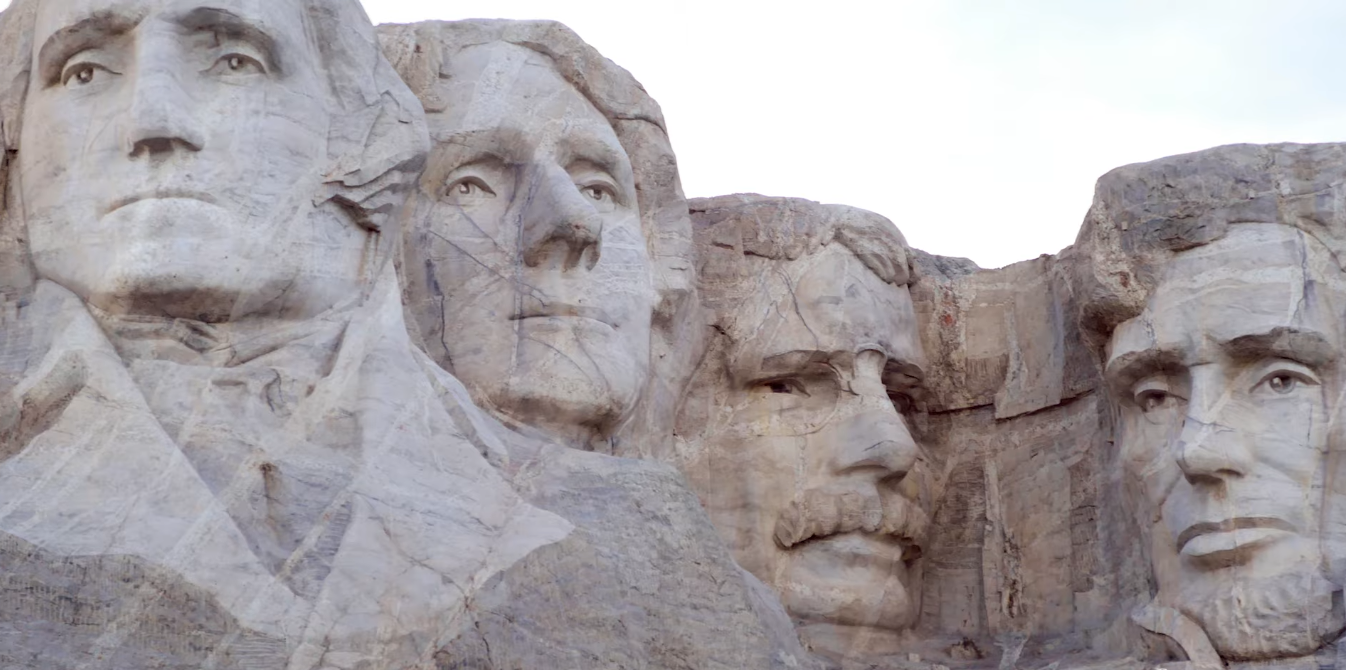
Mount Rushmore is one of America’s most recognizable landmarks, drawing millions of visitors to South Dakota’s Black Hills each year. The enormous granite faces of George Washington, Thomas Jefferson, Theodore Roosevelt and Abraham Lincoln dominate the mountain, but the monument’s creator once imagined something far more ambitious hidden behind those famous presidential portraits.
The Grim Truth About the Bodies Left Behind on Mount Everest
Read More
Deep inside Mount Rushmore sits an unfinished chamber known as the Hall of Records — a secretive space that sculptor Gutzon Borglum intended to preserve the story of the United States for generations far beyond his own.
Borglum was no ordinary artist. Born in Idaho to a Danish immigrant father, he had developed a reputation for being fiercely ambitious and difficult to intimidate long before he began work on Mount Rushmore.
His career included major projects and bitter disputes. He had worked on sculptures for New York City’s Cathedral of St. John the Divine and later became involved in the enormous Confederate memorial project at Georgia’s Stone Mountain. His relationship with the people funding that project eventually collapsed, and Borglum was removed from the job.
Those experiences appear to have reinforced his determination to leave behind a legacy that could survive long after his death.
When Borglum began transforming the Black Hills in 1927, he wasn’t thinking only about how Americans would view the monument in his lifetime. He was concerned about how future generations — perhaps even civilizations that had never heard of the United States — would understand what they were seeing.
His answer was the Hall of Records.
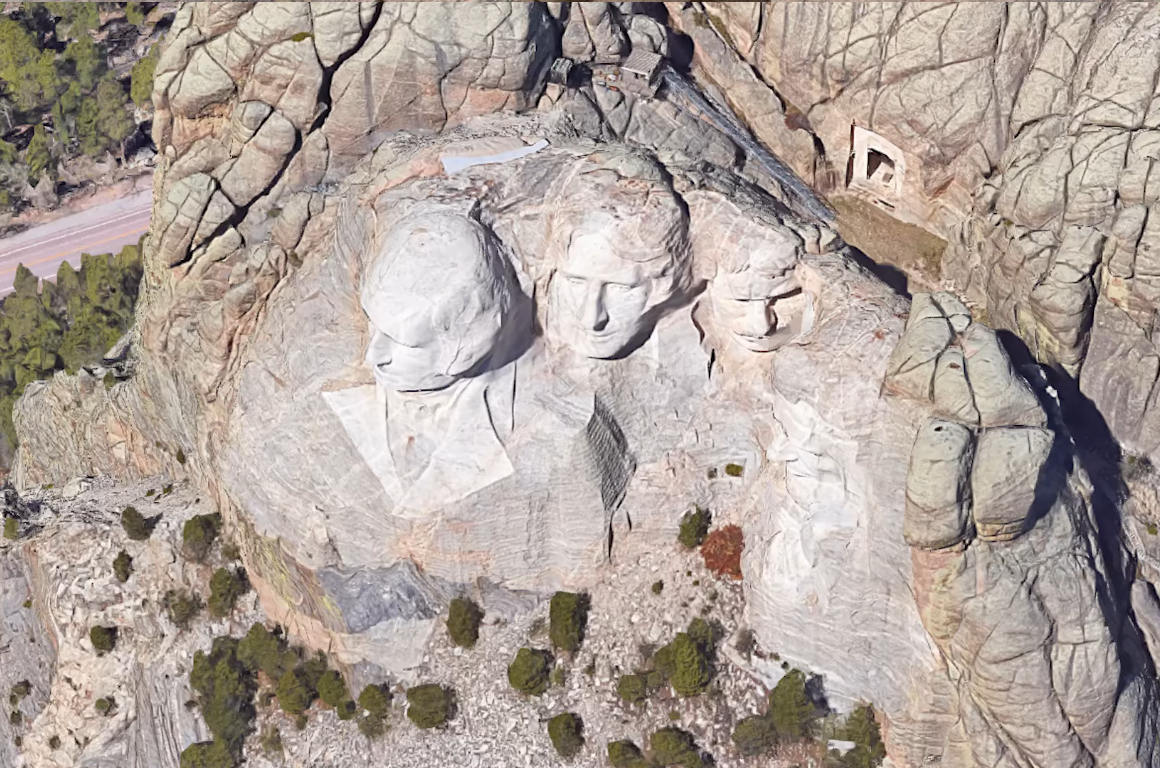
Construction on the chamber began in 1938, behind the area near Lincoln’s head. Borglum envisioned a massive repository containing important documents and information about the nation, including historical records such as the Constitution and Bill of Rights.
His plans were spectacular.
A visitor would have approached the chamber by climbing a lengthy staircase carved into the mountain. The entrance was supposed to feature a towering doorway and an enormous eagle above it, creating a dramatic gateway into a national archive hidden inside the granite.
But federal officials wanted Borglum to concentrate on completing the presidential sculptures rather than expanding the project with an elaborate archive.
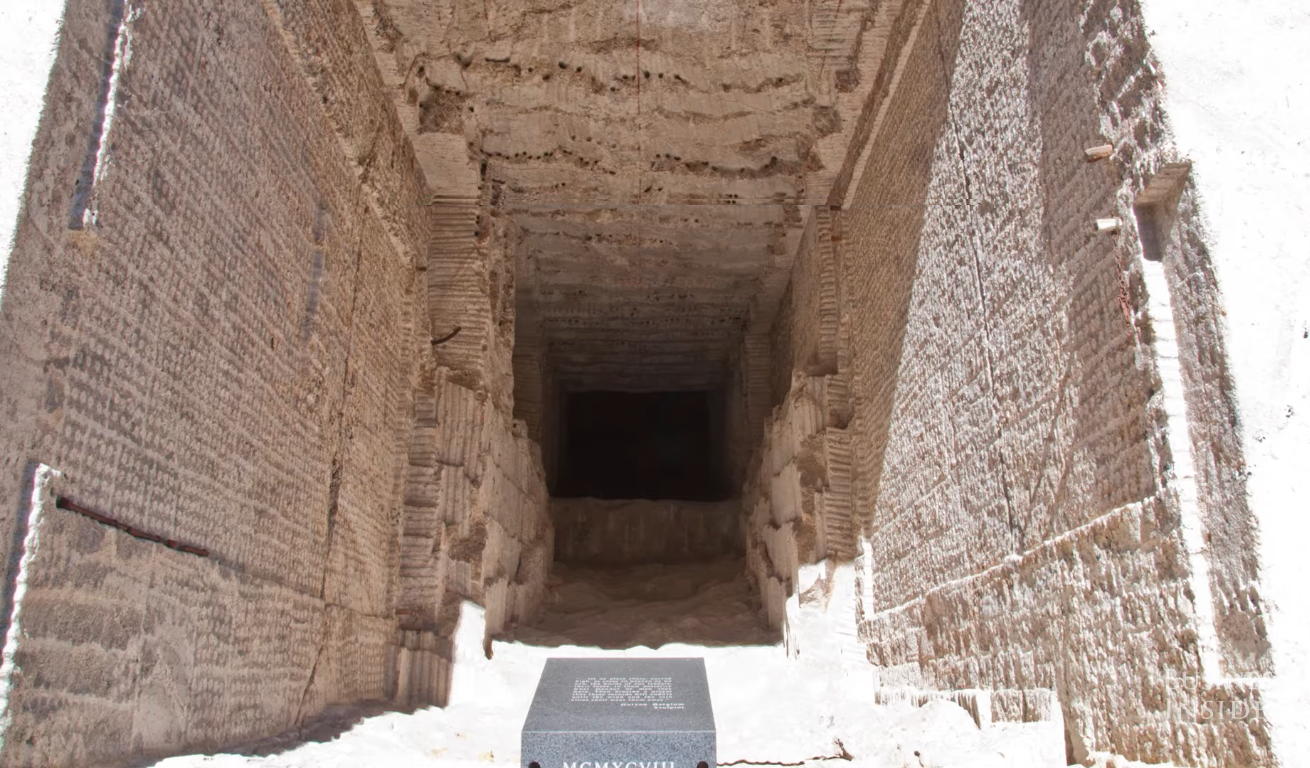
The Hall of Records was therefore left unfinished.
Borglum died in 1941 at age 73, before he could complete either his grand chamber or every aspect of his original vision for the monument. His son, Lincoln Borglum, continued the work and helped finish the sculpture project several months later.
The government ultimately considered Mount Rushmore complete without the Hall of Records.
For decades, Borglum’s family continued pushing for the chamber to be completed as a tribute to his vision. In 1998, a limited version of that idea finally became reality when porcelain panels were placed inside the chamber documenting the history of Mount Rushmore and preserving Borglum’s words about leaving a record for those who would come after.
Today, the Hall of Records remains inside the mountain.
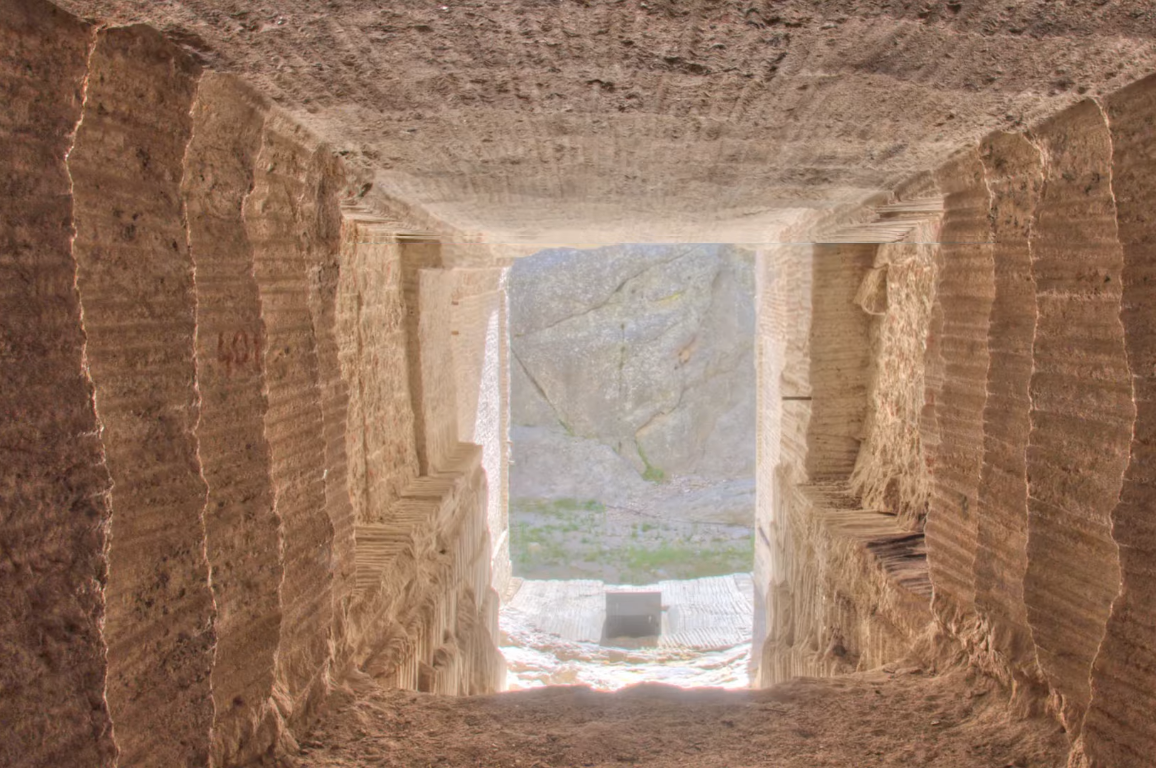
But despite its fascinating history, visitors cannot simply walk inside and explore it. The chamber remains closed to the public.
That means one of Mount Rushmore’s most intriguing stories isn’t found on the monument’s famous exterior at all. It is hidden behind the presidential faces — a forgotten chamber that Borglum designed as a message to people who might one day wonder who built the monument, why it existed and what kind of nation created it.

Ruth Kamau
23 hours ago
A Florida father is facing unimaginable grief after his wife and one of their 2-year-old twin daughters were killed by a lightning strike while he was nearby.
Kenya Glasgow, 31, and her daughter, Kennedi, were struck in Margate, Florida, Sunday afternoon, according to police. The sudden tragedy left Kam Glasgow mourning his wife of four years and one of the two young daughters they shared.
Kam said he witnessed the horrifying moment unfold.

He recalled seeing a lightning bolt strike before he felt its effects through the ground. When he looked toward his family, Kenya and Kennedi were lying on the sidewalk.
The father later described the moment as something he still struggled to comprehend.
First responders arrived quickly and began emergency treatment. CPR was performed at the scene before Kenya and Kennedi were transported to different hospitals. Despite efforts to save them, both mother and daughter died shortly afterward.
For Kam, the loss is especially painful because of how long he and Kenya had shared their lives. He said their relationship began when they were teenagers, and they spent about 15 years together before marrying four years ago.
He remembered Kenya not simply as his wife, but as his closest friend and the person who had been beside him for much of his adult life.
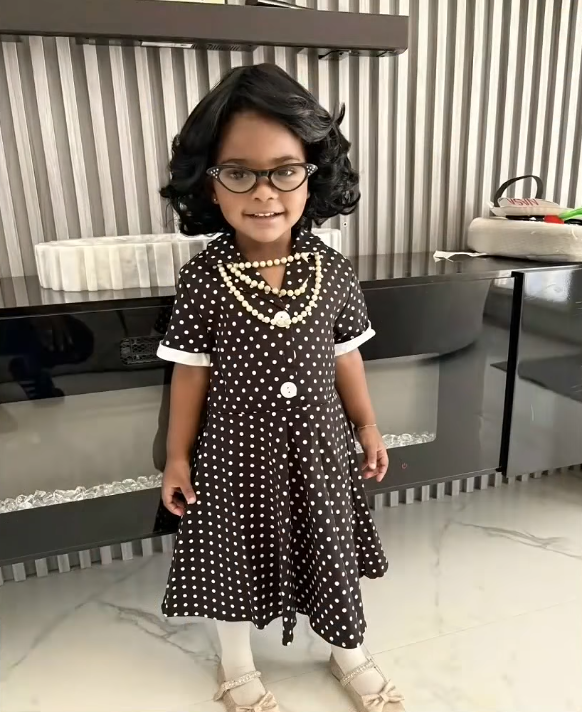
The tragedy also means their surviving daughter, Kensli, will grow up without her twin sister.
Kam said he and Kensli now face the difficult task of moving forward while relying on the family members and friends surrounding them. He described that support system as a source of strength during a moment he said has left their world shattered.
In tributes shared after the deaths, Kam portrayed Kenya as a deeply generous person who consistently put the needs of others before her own. He said she had an enormous heart and was the type of person who would show up for others without hesitation.
He also offered an emotional message honoring both Kenya and Kennedi, expressing gratitude for the role they played in his life and promising to preserve their memories.

Kam emphasized that the family would continue telling their story and caring for Kensli as they work through the devastating loss.
The circumstances surrounding the lightning strike remain under investigation by Margate police.
The incident also highlights the unpredictable danger posed by lightning, which can cause catastrophic injuries in an instant. A person does not necessarily need to receive a direct strike to be affected, as electrical energy can travel through the ground after lightning hits nearby.
According to the latest figures cited by the National Lightning Safety Council, Kenya and Kennedi represented the 11th and 12th lightning-related deaths recorded in the United States this year.
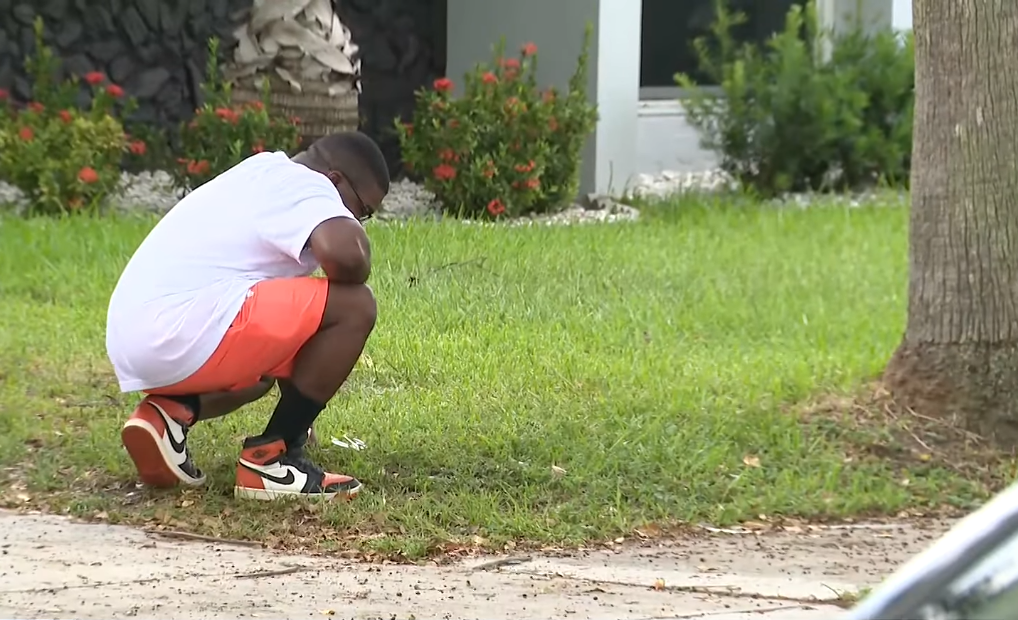
For the Glasgow family, however, the statistics offer little comfort. Their focus now is on a father and young daughter attempting to cope with a loss that happened without warning — and on keeping the memory of a mother and twin sister alive.
